THE FORMAT
One sheet, folded and stitched
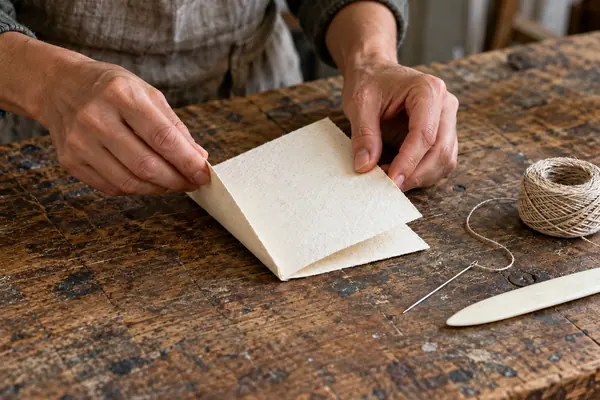
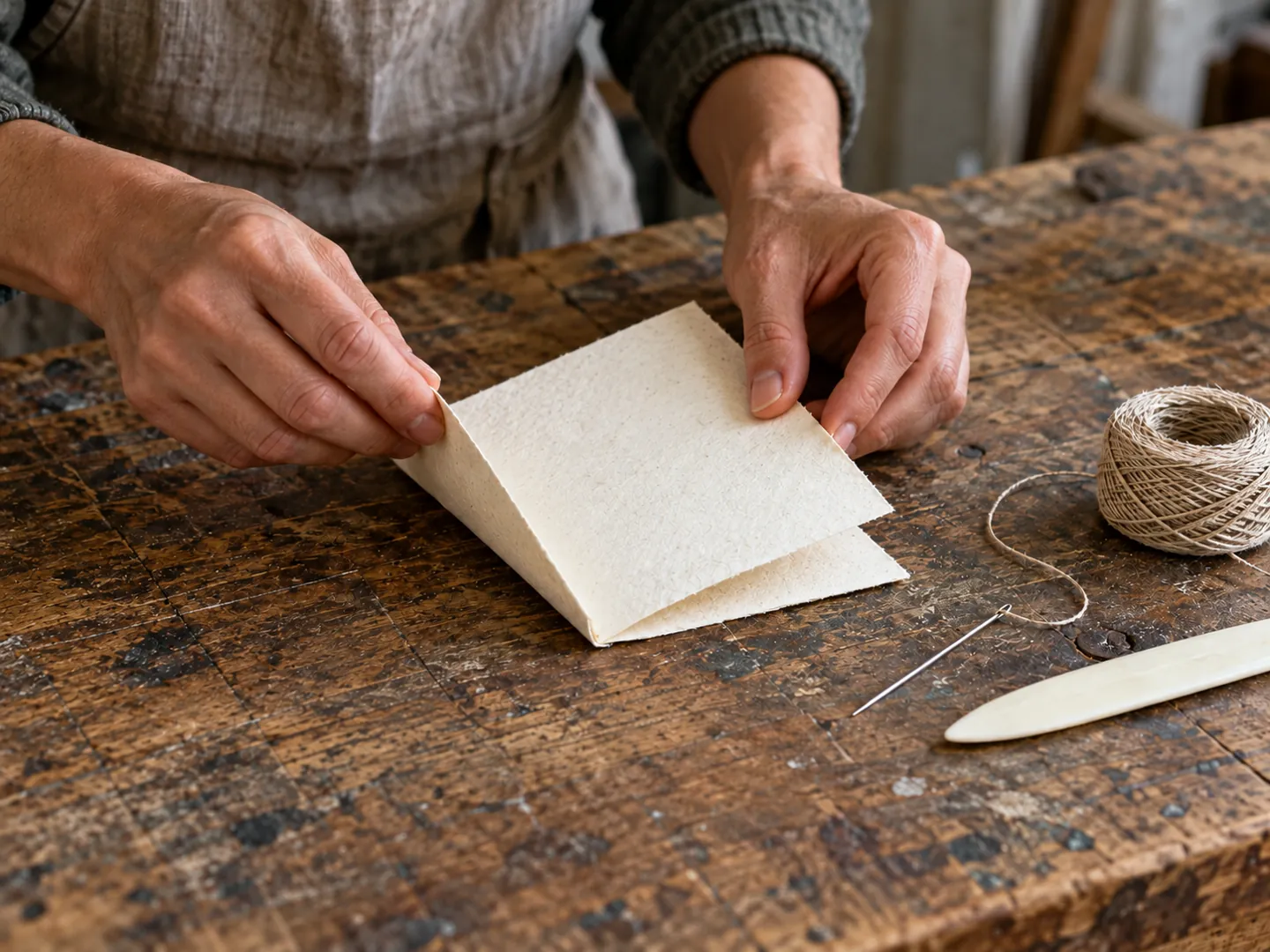
Most chapbooks had 12 or 24 pages, made from one or two sheets of paper folded and stitched. The title page doubled as the cover.
Chapbooks by number doodlebooklets™
Start
THE PENNY BOOKLET
Long before paperbacks, there were chapbooks.
From the sixteenth century to the early nineteenth, small paper booklets of romances, jests, songs and fairy tales were carried from town to village by traveling sellers called chapmen. They were cheap, rough and read until they fell apart.
1dor less
Chapbooks by numberKeep in mind
THE SHORT ANSWER
Historians judge a chapbook by four things:
format, price, how it was sold and what was in it.
THE FORMAT
Most chapbooks had 12 or 24 pages, made from one or two sheets of paper folded and stitched. The title page doubled as the cover.
Chapbooks by numberTHE SELLERS
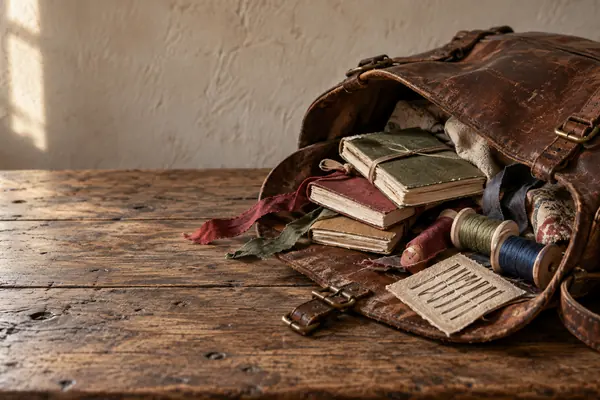
Traveling sellers carried chapbooks with ribbons, needles, thread and spices, bringing print to farms and villages far from any bookshop.
See the numbersTHE PICTURES
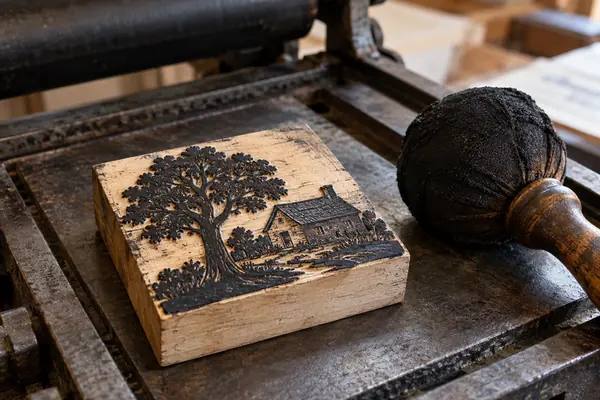
Crude woodcuts decorated the pages, often with no link to the story. Printers reused, swapped and copied blocks until they wore out.
Why the pictures got worseCHAPBOOKS BY NUMBER
Some chapbook facts are well documented; others rest on estimates or one surviving record. The bar shows how firmly the scholarship states each one.
Figures from McGill Library's chapbook essays, which summarize the work of book historians such as Neuburg, Spufford, Pedersen and Fergus.
TWO NUMBERS WORTH KNOWING
One number on what survives,
one on how rarely they were recorded.
4,624 titles
Different chapbooks recorded from Scottish libraries
A union catalog led by the University of Glasgow lists 4,624 chapbooks in 7,878 copies, from Glasgow, Edinburgh Central Library, the National Library of Scotland and Stirling.
SCOTTISH CHAPBOOKS CATALOGUE · 2019
5 of 1,500
Mentions of chapbooks in 1,500 household inventories
A survey of 1,500 probate inventories found only five references to chapbooks. They were probably just not worth listing, and very few survived.
PROBATE INVENTORIES · 1500s–1600s
The University of Glasgow alone holds over 1,000 chapbooks, which it describes as the main recreational reading of the poor in the 18th and 19th centuries.
HOW TO SPOT ONE
Found a small, rough old booklet in a library or archive? These features, described by McGill's chapbook essays, point to a chapbook.
Step 1
Chapbooks were almost always anonymous. The title page usually names a printer or publisher instead, which is how historians trace them.
Step 2
Most were printed without a date, so the order of editions is hard to work out. Imprints and woodcuts are the main clues.
Step 3
Twelve or twenty-four pages, coarse paper and no separate cover all fit the chapbook format.
Step 4
The picture may belong to a different story. Rough cuts were rarely copied by rivals, so a matching rough cut can point to the same printer.
WHY THE PICTURES GOT WORSE
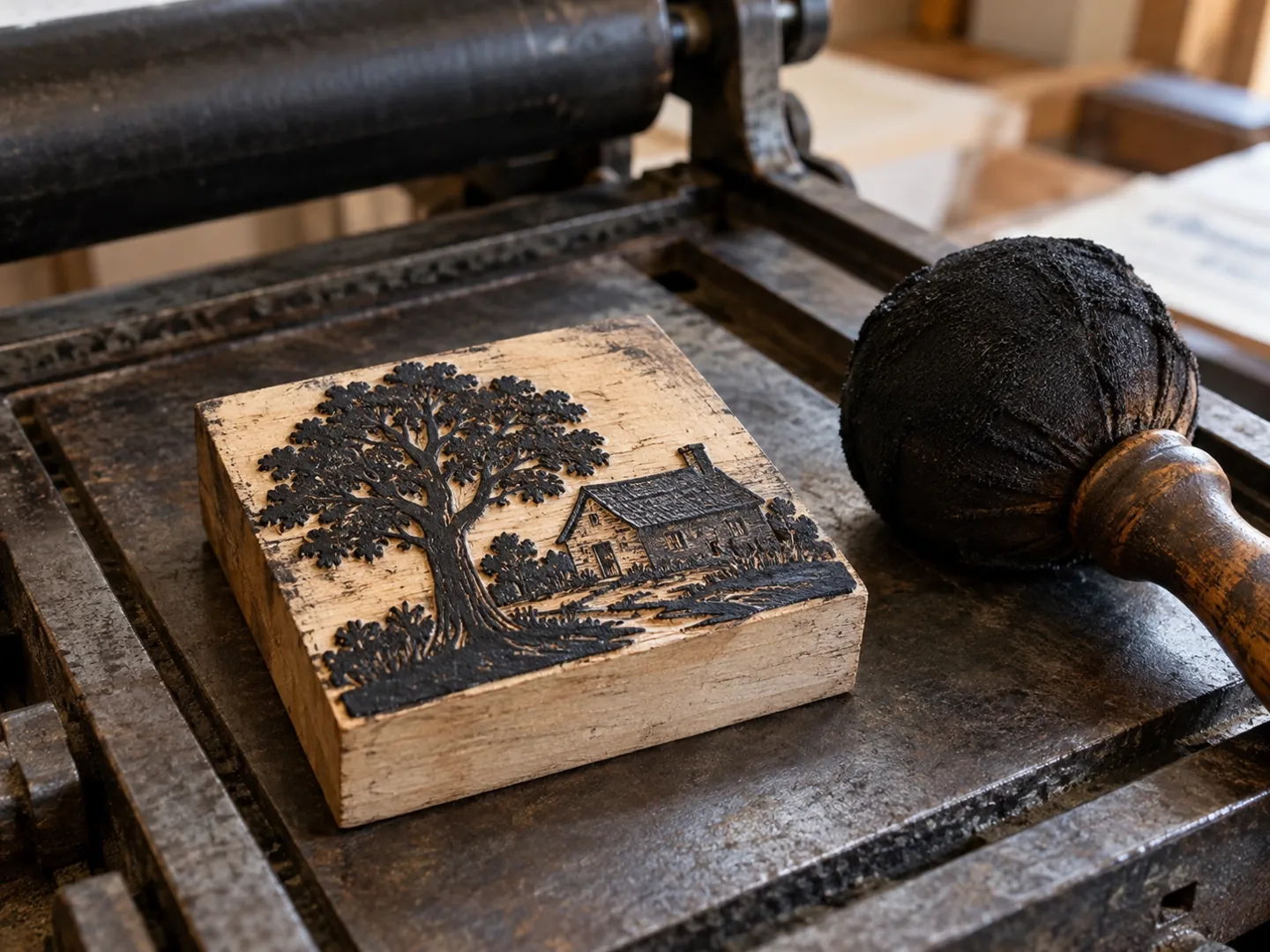
Woodcuts were cut into soft wood such as pear and set in the press beside the type. They could print several thousand copies, against a few hundred for a copper engraving, and printed faster.
Because printers reused and borrowed old blocks for unrelated stories, the pictures grew cruder through the eighteenth century as the cuts wore down. Woodcuts fell out of use in the early nineteenth century, as steel engraving took over from copper.
Questions
A chapbook sold for a penny or less: a small, unbound, paper-covered booklet, usually of 12 or 24 pages, carried and sold by traveling peddlers called chapmen. McGill Library notes that scholars long thought chapbook was a nineteenth-century term, but it was in use by 1747.
They were sold by traveling peddlers called chapmen. The word chapman comes from the Old English ceapman, meaning a trader; some scholars think chap may also suggest cheap.
Mostly entertainment: shortened medieval romances such as Guy of Warwick, fairy tales, jests, riddles, songs, crime stories and fortune-telling. Jack the Giant Killer and Robinson Crusoe appeared in many versions.
Almost always nobody named. Stories were adapted from folk tales or abridged from longer books, and the writer was often also the printer. The title page usually names only the printer or publisher.
Many could. Signatures suggest male literacy of at least 30% in the 1640s and at least 60% after 1754, and these figures probably underestimate how many could read.
Library special collections hold them. The University of Glasgow has over 1,000, and a Scottish chapbooks catalog records 4,624 titles. McGill Library in Canada has a digitized collection.
Destination
Updated
ABOUT THIS NAME
doodlebooklets.com is part of the DoodleSale portfolio. It isn't in an auction right now, but you can ask about leasing it.